
Decorative Stone in Landscaping: A Guide
Updated: Apr 23
Decorative Stone in Landscaping: A Comprehensive Guide
In this blog, I will refer to "stone" when discussing decorative and landscape rock to simplify the terminology. It's important to note that rocks and stones have different characteristics. For the purposes of this post, I will define "rocks" as materials that have sharp, pointed, and irregular edges, allowing them to interlock. In contrast, "stones" are pieces with rounded edges and smoother surfaces, making them less capable of interlocking.

This guide will cover the best locations for using stone, installation tips, different types of stone, and the advantages and disadvantages of incorporating stone in your landscape design.
Best Uses for Stone in Landscaping
When choosing materials for landscaping, consider using stone in areas where moisture can create mold and fungus, especially when using mulch. Stone can help prevent high moisture problems. For effective drainage, you can regrade your garden bed to incorporate drainage that remains hidden after spreading the stone. This approach creates a cleaner, more attractive design.
Creating a Creek Bed
Another option is to create a creek bed with stones to effectively drain water. Surround it with mulch for added appeal. This not only enhances the aesthetic but also improves functionality.
Garden Pathways
For garden pathways that are frequently used, stones offer a practical alternative to traditional paver paths. If mulch breaks down quickly, stones can help maintain a clean look. You can use the same type of stone throughout both the garden bed and pathway, select different stones for each, or use mulch for the entire garden and stones solely for the pathway.

Driveways and Parking Pads
Using stones for driveways or parking pads is typically more cost-effective and offers more benefits than concrete or asphalt. Stone is a permeable material that, even when compacted, reduces stormwater runoff and retains less heat.
Additionally, installing a stone border around your foundation and other structures can prevent rain from splashing onto siding and foundations. This keeps moisture away and helps with drainage while also deterring pests. Stones are also effective on slopes, helping to control soil erosion and minimizing natural growth for years to come.
Installation Tips for Landscaping Stone
Weed Barrier: Use weed fabric beneath the stone. This not only prevents weeds but also keeps soil from sifting through the stones. A permeable fabric is the best choice.
Edging: Installing edging is recommended to contain the stone within garden beds.
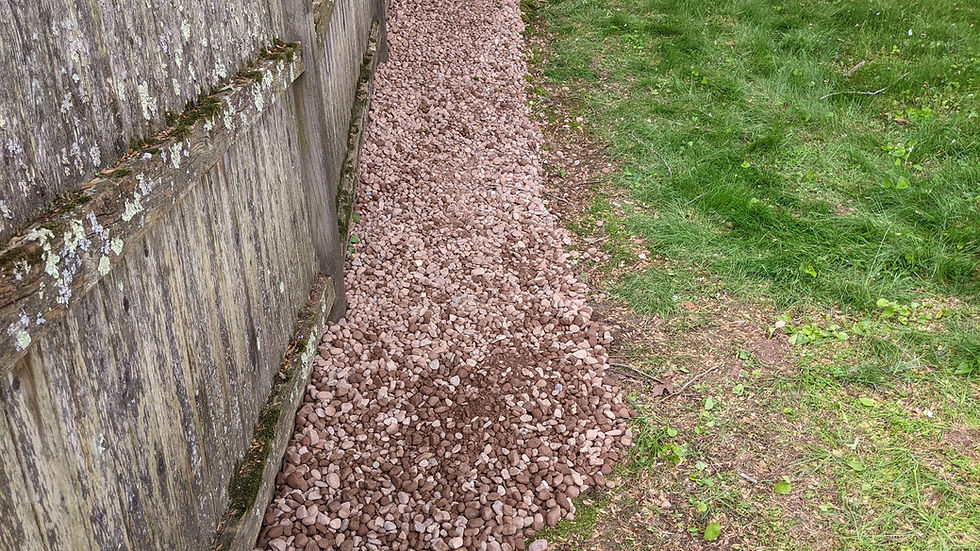
Spreading Stone: Be prepared to spend more time moving and spreading stone compared to mulch. If you are working on flat or gently sloping areas, the task is relatively easy. On steeper slopes, dig a swale at the bottom; this allows the stone to move down and settle as you add more stone from above, acting as a form of earth edging.
Stormwater Management: To manage stormwater effectively, create a deeper channel to direct water flow. The deeper the channel, the more space for stone that water has to flow around, which reduces soil erosion and washout.
Downspout Installation: Under downspouts, dig a slight hole to be filled with stone. This hole helps break the flow strength of the water. Alternatively, you can use a larger stone as a splash stone to prevent washout. These tips can help keep the stone in place. Most of these actions should be taken before laying down the fabric, except for the splash stone, which can be placed on top of the fabric or stone.
Grid Systems: You can use a grid system to secure the stone in washout areas. The grid is anchored to the ground and has pockets to be filled with stone. This system is discreet, can withstand foot traffic, stormwater flow, and allows vehicles to drive and park on it.
Thickness Guidelines: The thickness of the stone layer depends on the size of the stones used. Smaller stones require a thicker layer for adequate coverage. A general rule of thumb is a depth of about 2 inches for stones up to 1.5 inches in diameter. For stones larger than 1.5 inches, the spreading depth can be reduced. Adjust depth for your needs and situations. To have a fuller look with larger diameter stones, spread smaller stones to fill in gaps.
By following these guidelines, you can achieve a well-maintained stone landscape while minimizing maintenance and erosion issues.
Types of Stone
Stones typically have rounded surfaces, while rocks possess angular, sharp edges that allow them to interlock effectively. In gardens, the most common sizes range from ¼ inch to 3 inches in diameter. The native stone in your area may vary in color and texture.
Common Types of Stones
River Pebbles: Usually rounded and smooth, these stones are great for decorative purposes.
Lava Rock: Formed from actual volcanic material, lava rock adds a unique texture to your landscape.
Chips: Man-made fragments created from various types of materials, typically smaller than ½ inch.
Crushed Stone: Comprising fragments of different materials, sizes range from ½ inch to 3 inches in diameter.
Natural Stone Gravel: Consists of native stones that have been sorted by size from excavated soil and remain uncrushed.
Choosing the right type of stone involves considering color, texture, size, and how well it fits your needs. When using stone as ground cover instead of mulch, select the options you prefer. However, if you need a stable surface for walking, driving, or building, prioritize materials that can interlock when compacted for stability.
The Pros and Cons of Using Stone in Landscaping
Pros:
Lasts for decades and doesn’t decompose.
Does not wash away or shift as much as mulch.
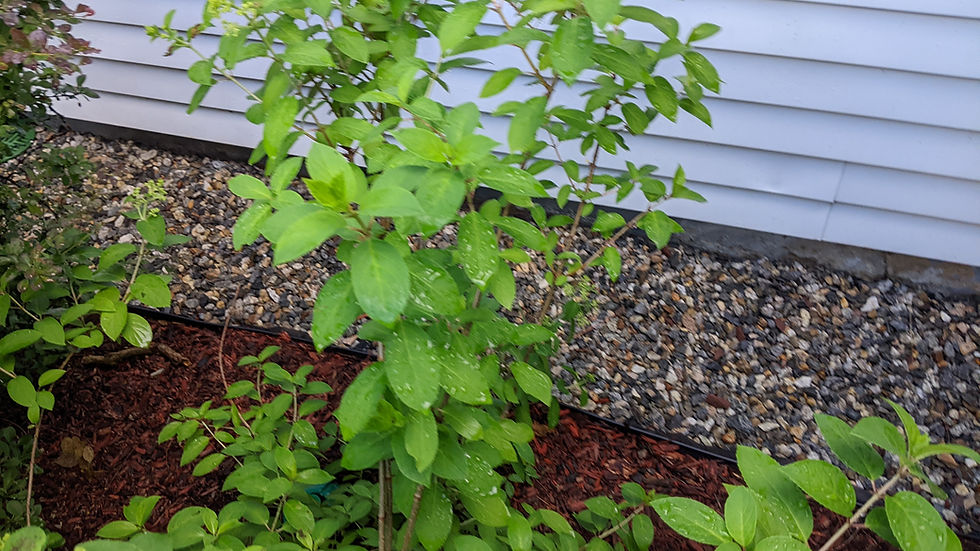
Helps with drainage.
Does not produce mold or fungus like mulch.
Requires less maintenance than mulch.
Does not attract insects or pests.
Assists in preventing soil erosion.
Fire resistant.
Cons:
Weeds can still grow if not maintained; pulling them may disturb the underlying fabric, causing the stone to sink into the soil and allow more weeds to grow.
Does not add nutrients to the soil.
Requires more money and effort to spread compared to mulch.
More effort is needed to keep clean, especially when adding or removing plants, trimming, dealing with fallen leaves, or wanting to change the stone.
Increases soil temperature, which can limit plant selection.
Requires proper edging and weed fabric installation before spreading to reduce maintenance in the long run.
Even drought-tolerant plants need occasional watering, and additional water is required to cool the stone and soil for better water absorption and to saturate the soil for a longer period, counteracting heat and evaporation.
Depending on the gaps between the stones, some insects and pests that prefer warm nesting locations may take up residence.
Incorporating decorative stone into your landscaping can enhance both the beauty and functionality of your outdoor space. By understanding the best uses, installation tips, types of stone, and weighing the pros and cons, you can make informed decisions that will benefit your landscape for years to come.

Comments