
Mulch vs. Decorative Stone: Which is Right for You?
Common Myths about Stone vs. Mulch
Myth 1: Stone stops weeds from growing.
While it’s true that stone can reduce weed growth for the first 2-3 years, weeds typically return after that. The reason is that the weed fabric beneath the stone collects dust, pollen, seeds blown by the wind, leaves, and other debris. Most weed seeds need very little soil to germinate and grow.
Myth 2: You need weed fabric under mulch, not stone.
Actually, you should use fabric under stone and not under mulch. Mulch is biodegradable and will eventually turn into compost. If you put fabric underneath mulch, it will prevent essential nutrients from reaching the soil. This can lead to a layer of topsoil covered by weed fabric and compost on top. Stone, on the other hand, can slowly sink into the soil over time. Whether it’s tiny pea gravel or large boulders, all stones compress the soil underneath, which can create a messy mix of dirt and stone, eventually leading to patches of weeds.
Myth 3: Stone is a one-time investment.
Although stone requires less maintenance than mulch, it still needs attention over the years. Besides needing to spray for weeds that may pop up, heavy rain, leaf blowers, hand raking, and snow clearing can displace stones, necessitating their replacement. You'll also need to rake to loosen stone and remove debris that accumulates over time, including fallen leaves and evergreen needles. To minimize maintenance, consider selecting shrubs and plants that require little to no trimming.
Myth 4: Stone is more eco-friendly than mulch.
The answer is both yes and no. While it does require energy to break down stone into smaller sizes, mulch production also consumes energy. Mulch is advantageous because it utilizes wood from trees that are not suitable for lumber, preventing waste in landfills. Some types of stone are by-products of mining and are used for decorative purposes. Furthermore, stone lasts longer than mulch, requiring fewer purchases over time. However, stone tends to increase soil temperature and lacks water-holding capacity, whereas mulch helps maintain stable soil temperatures and retains moisture.
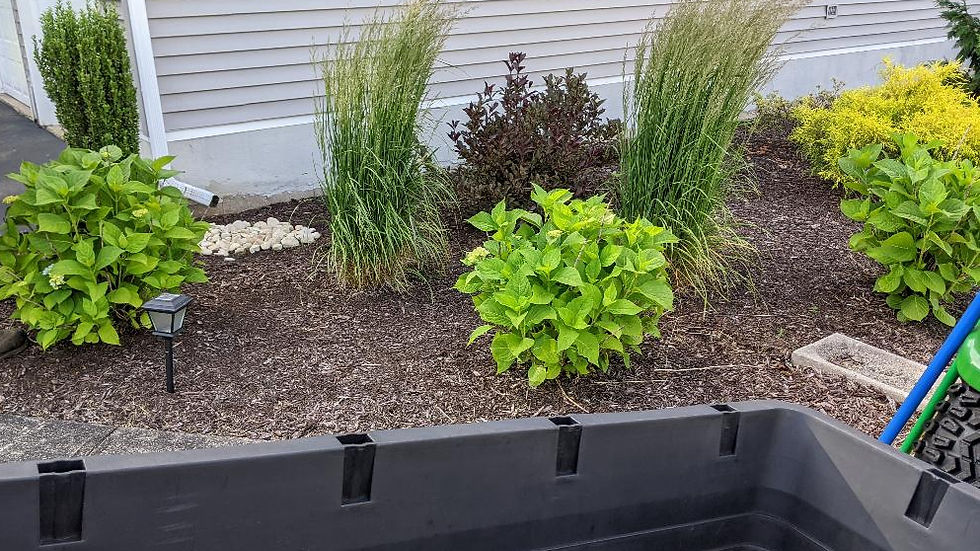
Myth 5: Stone requires no edging.
Stone needs edging to prevent it from spreading into the lawn, as hitting stones with a mower blade can be hazardous. Similarly, mulch requires edging to prevent washing into the lawn. While edging adds an extra step, it can save you time in the long run.
These are just a few major myths surrounding the mulch versus stone debate. Here are some more pros and cons to consider:
Pros and Cons of Stone and Mulch
Pros of Stone:
Requires less frequent replacement, often lasting indefinitely.

Does not retain moisture.
Stays in place during most rainstorms, preventing washout.
Does not attract or harbor insects.
Generally has a lower long-term cost compared to mulch.
Helps prevent soil erosion.
Can be utilized for pathways, driveways, and parking areas.
Cons of Stone:
Higher initial installation costs compared to mulch.
Increases soil temperature.
The higher soil temperature may attract unwanted insect pests that hide beneath the stone.
Requires more ground preparation on slopes to reduce the risk of washout.
Takes more time to clean and minimize dirt buildup when digging or trimming plants and shrubs.
Weed control is easier with spray, as pulling weeds can tear the underlying fabric, creating holes for additional weeds to grow.
A landscape fabric needs to be laid down before spreading the stone.
Pros of Mulch:
Helps retain moisture in the soil.
Assists with soil erosion control.
Adds nutrients to the soil and benefits plants.
Easier to clean up when digging and trimming shrubs and plants.
Requires less ground preparation for application on slopes.
Helps maintain even soil temperatures.
Cons of Mulch:
Needs to be replaced annually (or biannually for cedar mulch).
Typically costs more than stone over time.
Can wash away during heavy rainstorms.
May lose its color throughout the season (note that not all mulches have the same properties).
Can attract insects.
May create mold and fungus issues under certain conditions.
Weeds can grow through it.

Over the decades of applying mulch, the surface of the garden beds will rise due to the layers of decomposed mulch, requiring removal or regrading to maintain the desired surface height.
Choosing the Right Option for Your Landscape
Everything works better in certain situations. As the saying goes, “If something was amazing in every situation, we would all be using it.” Let’s discuss which option is better for specific scenarios to avoid headaches.
If you have an area that does not drain well, stone is more effective for drainage. You can dig and reshape the soil to facilitate water drainage and then fill and level the area with stone to conceal the drain and solve the problem. Alternatively, if you prefer mulch, you can create a functional dry creek to manage water surrounded by mulch. Just be sure to choose stone that has a good flow rate, as smaller stones can slow down the flow and get compacted.
A border of stone around foundations and structures serves several purposes: it keeps moisture away, helps deter insects, and prevents debris and dirt from splashing onto wood or siding. Historically, colonial houses had stone borders around their foundations before roof gutters were common. This stone perimeter allowed water to flow away from the foundation, keeping the lower siding clean and preventing dirt from splashing up and causing rot. Additionally, the stone would warm in winter, helping to melt ice and snow against the foundation.
It is also important to note that stone can increase soil temperature, which may necessitate a change in plant selection to those that thrive in warmer conditions. Mulch, on the other hand, helps maintain a more consistent soil temperature. One option is to use mulch around plants and cover the rest of the garden bed with stone.
If you need a pathway but prefer not to use pavers or stepping stones, stone can provide a simple, stable, and dry solution. Mulch tends to break down more quickly when walked on, leading to muddy and slippery conditions.
Did you know that you can use both mulch and stone as ground cover? However, it's important to install edging before placing mulch and stone next to each other. You can even combine different types of stone or mulch, but edging is still necessary. As mentioned earlier, having a border along the foundation of a house or other structures, as well as along a paver walkway or patio, requires edging.
Mulch is generally a better choice around play structures because it is softer than stones. If available, playground mulch is recommended, as it is free of foreign materials and less likely to cause splinters.

Considerations for Slopes
When considering which to use on slopes, environmental factors play a significant role in determining how to cover the slope. Some groundwork is always needed before simply spreading material on a slope. Gentle slopes have a lower risk of washout, so choosing between stone or mulch can be a matter of personal preference. However, at the base of the slope, edging and a swale are necessary to prevent material from washing away.
For steeper slopes, more preparation is required to minimize the chance of washout. In these cases, a grid system should be installed before spreading the material. This grid helps hold the material in place and aids in erosion control. While mulch does not vary much in weight, the size of stones can affect the type of grid system needed. When filling the grid systems on a slope, you can start from either the bottom or the top, spreading the material slowly to ensure that all pockets are filled.
Over time, mulch will break down, which will leave the grid pockets filled with material that can promote the growth of unwanted plants, necessitating maintenance. In contrast, stone will not decompose, but it may still require some upkeep.
When it comes to landscape materials, neither mulch nor stone stands out as the superior option; the decision really depends on what best suits your needs and vision.
So, whether you lean towards the earthy charm of mulch or the sleek durability of stone, remember that both have their unique benefits. It's all about finding what works best for your outdoor space. Happy landscaping!


Comments